- Join Now
- Login
- Member Zone
- Your Career
- Freelancing
- International Grooms Association
- BGA Training
- Healthy Yard Healthy Horses
- Transporting horses
- Brexit
- Safe workplace
- Student Zone
- Member Discounts
- BG Magazine
- Member services
- Training & Careers
- BGA CV Creator
- Horse groom training
- Where to Train
- BGA E Learning
- Career choices
- Change to Racing
- First Aid training for grooms
- Parents
- Grooms Jobs
- Grooms Life
- About
- News
- Contact





WHY I AM A MEMBER

“The bespoke information has been invaluable for my career and employment; I don’t feel alone anymore. I have the peace of mind knowing my income is protected with my BGA insurance.”
Jenny Hooch
BGA Member
- Your Career
- Freelancing
- BGA Training
- Healthy Yard Healthy Horses
- Transporting horses
- Brexit
- Safe workplace
- Student zone
- Member Discounts
- BG Magazine
- International Grooms Association


- BGA CV Creator
- Horse groom training
- Where to Train
- BGA E Learning
- Career choices
- Change to Racing
- First Aid training for grooms
- Parents
GROOMS JOB BOARD
Stable Staff
Shropshire
Sector Racing (NH)
Search all the latest grooms jobs
WATCH OUR VIDEO
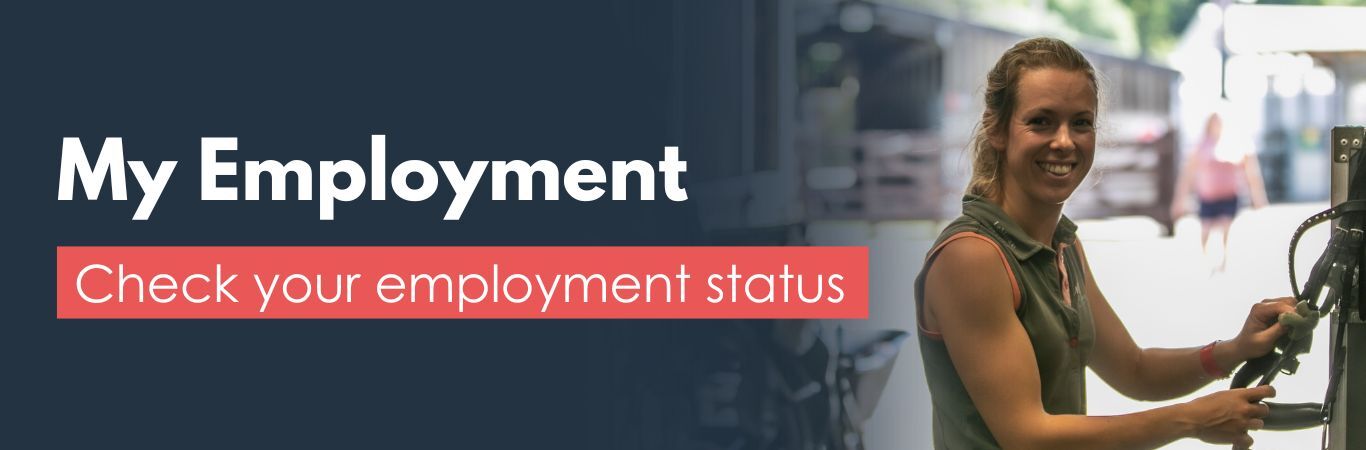
Is my employment status correct?
Under UK law, being labelled self-employed doesn’t always mean it’s correct. Your employment status affects your pay, tax and legal rights. So, it's important yours is correct to protect you.
Check if your employment status is correct with our checker
-
Do you work for several yards or clients?
Self-employed indicator: You work for multiple yards or clients at the same time, rather than being tied to one.
Not self-employed: You work on a regular, ongoing basis for a yard (or yards), with set hours or routines determined by the employer, rather than on a flexible, ad-hoc basis.
Why this matters: Employees usually work for one employer (or potentially several if they work part-time), while self-employed people can have multiple clients.
-
Do you set your own hours?
Self-employed indicator: You decide when you work and how the work is carried out.
Not self-employed: The yard sets your hours, duties, routines, and required standards.
Why this matters: Control over how and when work is done is a key test of employment status.
-
Do you set or negotiate your own rate of pay?
Self-employed indicator: You set or negotiate your own fees for the work you provide. You are usually responsible for submitting your own tax return or self-assessment.
Not self-employed: Your hourly, daily, or weekly pay is determined by the yard and your tax and NI may be deducted at source.
Why this matters: Employees are paid a wage, while self-employed workers charge for their services.
-
Do you invoice clients for jobs or services?
Self-employed indicator: You issue invoices for completed work or services.
Not self-employed: You are paid wages or regular pay without invoicing.
Why this matters: Invoicing is typical of a business providing services, not employment.
-
Are you free to decline work without consequence?
Self-employed indicator: Work is offered, and you can accept or refuse without penalty.
Not self-employed: You are expected to work regular hours or accept ongoing work.
Why this matters: Employees usually have an obligation to work when required.
-
Can you send a substitute groom if you’re unable to work?
Self-employed indicator: You have a genuine and unrestricted right to send a substitute.
Not self-employed: You must personally carry out the work.
Why this matters: A requirement for personal service points towards employment.
-
Do you risk making a loss, not just earning less?
Self-employed indicator: You can make a financial loss, for example, through unpaid work, costs, or fixing mistakes.
Not self-employed: You are guaranteed pay for the time you work, regardless of costs.
Why this matters: Financial risk is a key feature of having your own business
If you believe you may be falsely self-employed, you can access further information and find out what to do next here.


What the personal accident policy covers you for:
- Whilst at work
- All stable duties – mucking out, grooming, washing off, turning out
- Clipping
- Riding – including hacking and jumping
- Hunting
- Lunging
- Breaking in
- Holding horse for a vet and other procedures
- Travelling horses both in the UK and abroad
- Competing in line with your job including: jumping, dressage, eventing
- Injuries that may happen to you whilst you are teaching - but you must also be grooming as part of your duties and not be a sole instructor
What the personal accident policy doesn’t cover you for:
- Riding in a race, point to point or team chase
- Stunt Riding
- Accidents occurring whilst travelling to and from work
- Riding and competing your own horse (but you can upgrade when applying for membership to include this)
- Public Liability – this is a separate insurance policy - the Freelance Groom Liability Insurance
- Care Custody and Control – this is a separate policy - the Freelance Groom Liability Insurance
If you require_once additional cover then please contact KBIS directly.
| GROOM | RIDER | EMPLOYER | |
|
When you are working for other people you do most of the following; muck out, turn out/catch in, tack up, groom horses, exercise Horses (including hacking, jumping and schooling), in the care of your employer/client. |
|
|
|
| Predominantly ride horses for other people including schooling, exercising and competing. | NO |
YES |
YES |
| Provide grooming services for someone else either full time or on a freelance basis i.e. an employer or a client. | YES |
NO |
NO |
| Employ staff – have an employers liability policy in your name | NO | NO | YES |
| Buy and sell horses | NO | YES | YES |

The BGA is the national representative body for all
grooms working in the UK or British grooms abroad.
MEMBERS OF:



Your item has been added to the basket
You need to create an account, or login before you can add this item to your basket.