Facebook Tracking

The British Grooms Association supports ethical, legal and sustainable on-the-job training for the next generation of grooms.

There is an important legal reality that the industry must understand: “Working pupil” is not a recognised legal employment status in the UK.
 
Our 2019 Training in the Workplace survey revealed that a staggering 94% of working pupils were illegally employed, with many denied even the most basic employment rights.
 
Now, we’re re-asking the question – has the industry improved, or are working pupils still being taken for a ride?
 

Working Pupil

Working pupil is a widely used term with no legal meaning.

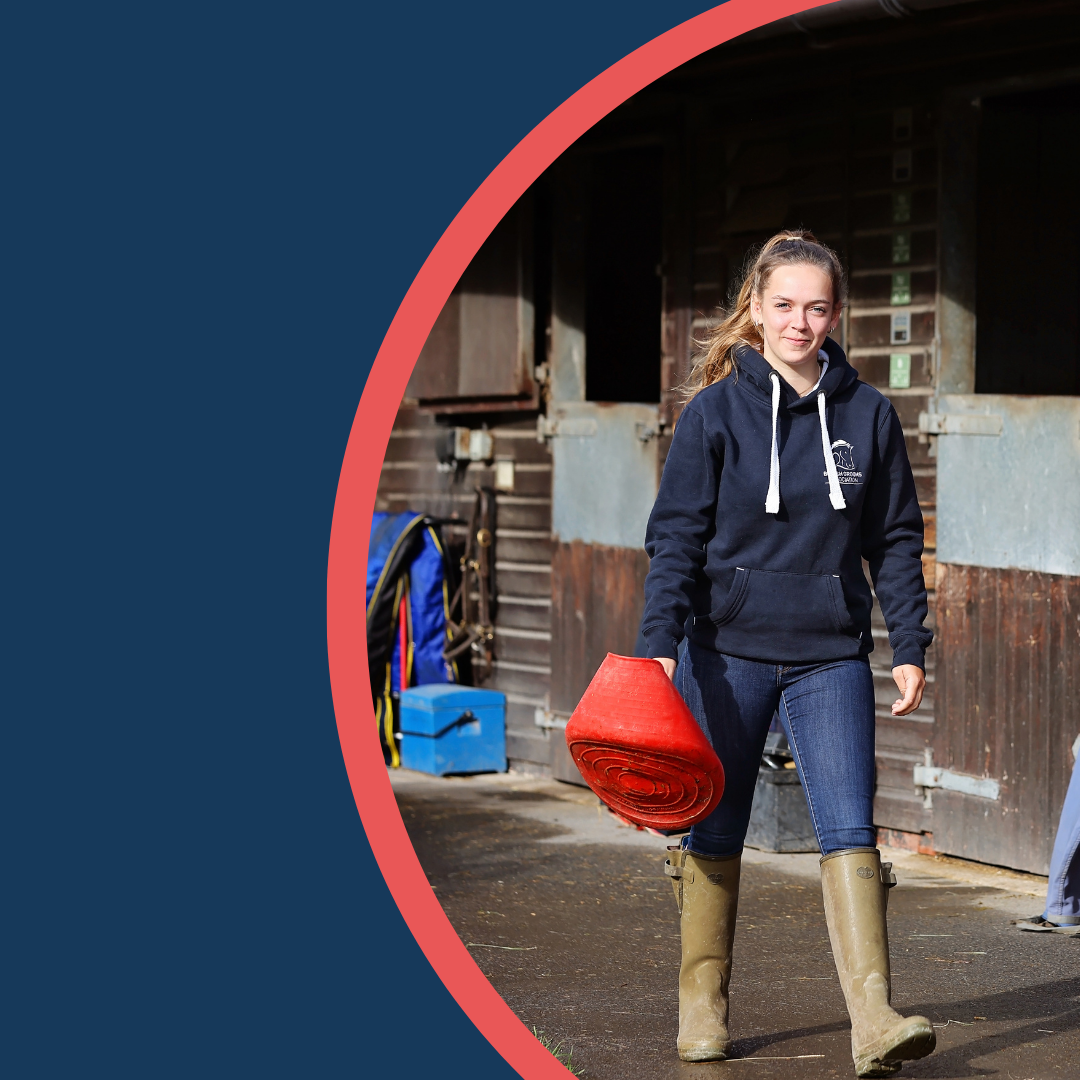
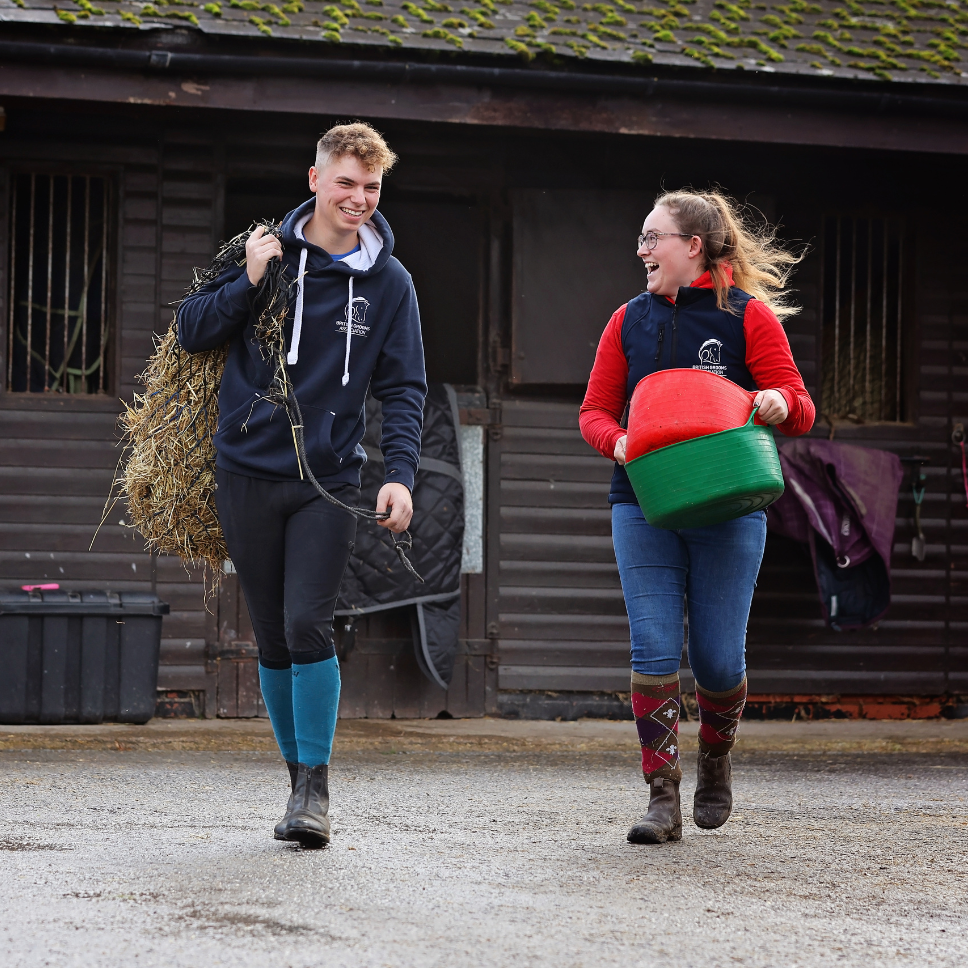
Historically, the term “working pupil” has been used to describe someone who works on a yard in exchange for training, accommodation, livery, riding opportunities, or experience. For many young people with ambitions in the equestrian industry, these roles can appear to offer a valuable route into the profession.

We want to hear from working pupils, grooms receiving on-the-job training and apprentices to hear of the reality behind “training opportunities”.

We’re urging anyone who has experience of on-the-job training or working pupil roles – past or present – to take part.

Key Issues

PREVIOUS RESEARCH

The last BGA survey of working pupils and grooms receiving on-the-job training revealed widespread illegal employment practices:

  • Only 29% were paid the National Minimum Wage
  • 76% had no written contract
  • 75% received no paid holiday
  • Just 6% were legally employed
WHAT'S THE ISSUE?

These findings highlighted a significant issue across the industry.

Whilst many employers genuinely want to support young people entering the profession, outdated practices continue to place both workers and employers at risk.

Employers who fail to meet employment law obligations may face HMRC investigations, financial penalties, and reputational damage.

A BETTER WAY

Apprenticeships and structured training programmes are the future.

The BGA strongly supports legal and properly structured on-the-job training.

Apprenticeship programmes provide a sustainable pathway into the equestrian industry by combining practical experience with recognised education and employment protections.

Partnerships such as the BGA’s work with Haddon Training demonstrate how successful these programmes can be when delivered correctly.

Today, equestrian apprenticeships are available across a wide range of disciplines and employers are increasingly embracing the model.

TAKE THE SURVEY