- Join Now
- Login
- Member Zone
- Your Career
- Freelancing
- International Grooms Association
- BGA Training
- Healthy Yard Healthy Horses
- Transporting horses
- Brexit
- Safe workplace
- Student Zone
- Member Discounts
- BG Magazine
- Member services
- Training & Careers
- BGA CV Creator
- Horse groom training
- Where to Train
- BGA E Learning
- Career choices
- Change to Racing
- First Aid training for grooms
- Parents
- Grooms Jobs
- Grooms Life
- About
- News
- Contact




WHY I AM A MEMBER

“The bespoke information has been invaluable for my career and employment; I don’t feel alone anymore. I have the peace of mind knowing my income is protected with my BGA insurance.”
Jenny Hooch
BGA Member
- Your Career
- Freelancing
- BGA Training
- Healthy Yard Healthy Horses
- Transporting horses
- Brexit
- Safe workplace
- Student zone
- Member Discounts
- BG Magazine
- International Grooms Association



- BGA CV Creator
- Horse groom training
- Where to Train
- BGA E Learning
- Career choices
- Change to Racing
- First Aid training for grooms
- Parents

GROOMS JOB BOARD
Full / Part Time Work Riders
Oxfordshire
Sector Racing (NH)
Search all the latest grooms jobs
WATCH OUR VIDEO
News
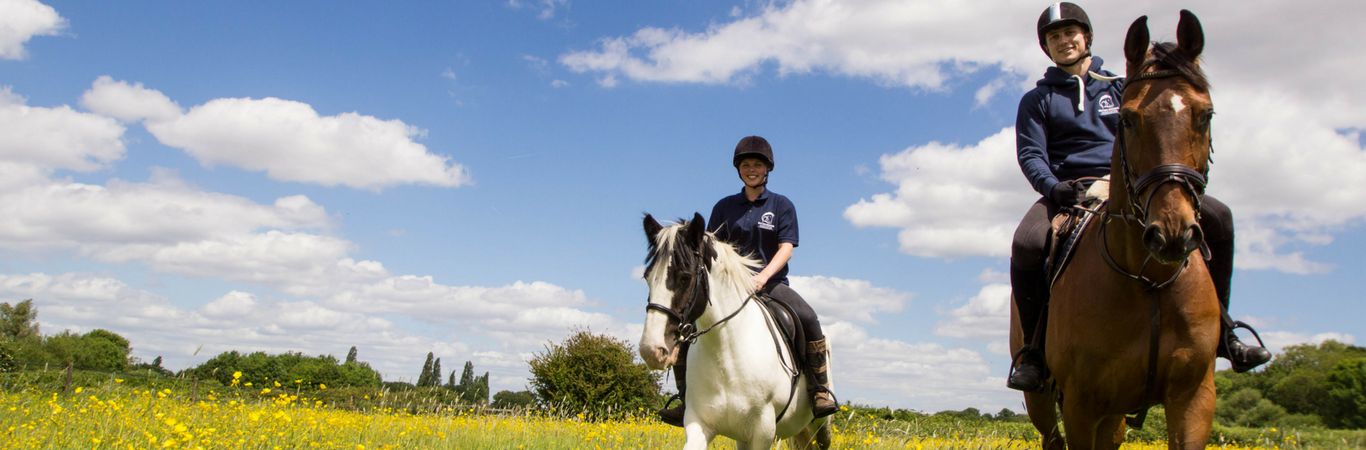


Looking After Your Hands This Winter
27th November 2026
From filling haynets and mucking out to washing horses, handling wet rugs and working outside in freezing temperatures, winter can be particularly tough on grooms’ hands.
Cold, damp conditions can leave skin dry, sore and cracked, while repeated exposure to the cold can increase the risk of chilblains.
A little preparation and a few changes to your winter routine can make a real difference.
Don't let chilblains catch you out
Chilblains are small, itchy or painful swellings that can develop on the fingers and toes after exposure to cold temperatures. They occur when small blood vessels in the skin react abnormally to the cold and then warm up again.
Symptoms can include itching, burning, swelling and red or purple patches. They can be particularly uncomfortable when you come back inside and your hands begin to warm up.
The NHS recommends avoiding cold and damp conditions where possible, wearing warm clothing and gloves, and allowing your skin to warm up gradually. Resist the temptation to put cold hands straight against a radiator or under very hot water, as rapid warming can make chilblains worse.
The best approach is prevention: keep your hands warm throughout the working day rather than waiting until they're already cold.
Give dry, cracked skin some attention
Grooms wash their hands frequently, come into contact with shampoos and cleaning products, and spend hours exposed to cold air. It's hardly surprising that skin can become dry, rough and cracked.
Once the skin's natural protective barrier is damaged, it can become increasingly uncomfortable and more vulnerable to irritation.
A few simple habits can help:
- Moisturise regularly: Keep a hand cream in your yard locker, car or coat pocket. Apply it after washing your hands and whenever your skin feels dry.
- Choose the right product: Emollients (moisturising creams and ointments) help hydrate the skin and create a protective layer to reduce moisture loss. A lighter cream may be more practical during the day, while a richer ointment can be useful before bed.
- Dry your hands properly: After washing, pat them dry rather than rubbing, paying particular attention to the spaces between your fingers.
- Give your hands an overnight treat: Apply a generous layer of moisturiser before bed. Cotton gloves can help keep the moisturiser in place while you sleep.
The NHS recommends applying moisturisers regularly, particularly after washing, to help maintain the skin's protective barrier.
Choose your winter kit wisely
The right clothing can make a huge difference when you're spending hours outside. Keeping your hands and legs warm and dry isn't just about comfort – it's an important part of protecting yourself against the cold.
Waterproof or water-repellent gloves are useful for wet-weather jobs, while warmer, more flexible gloves may be better when you need flexibility for handling horses.
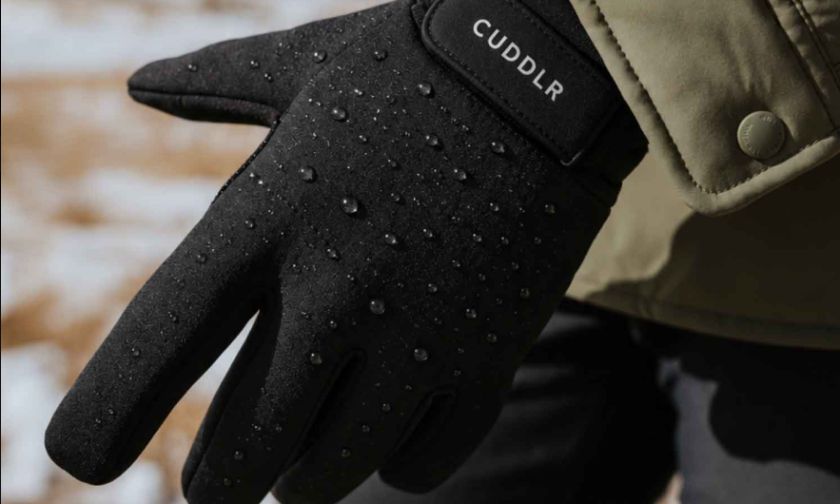 Cuddlr Guard water-repellent gloves feature a windproof construction, fleece lining and silicone grip palms, making them practical for jobs involving gates, lead ropes and everyday yard tasks. Their touchscreen-compatible fingertips are another handy feature when you need to use your phone without exposing your hands to the cold.
For your legs, Cuddlr's Shield trousers are a groom favourite and combine a weatherproof outer layer with a wind-blocking membrane and warm Sherpa fleece lining.
Treehouse Sporting Colours also has plenty of options for building a practical winter wardrobe. Look out for:
- Warm base layers: A good starting point for layering and keeping warmth close to your body.
- Gilets and fleeces: Useful extra layers that provide warmth without restricting movement.
- Warm socks: Particularly important when you're standing around in cold yards or walking across wet fields.
- Beanies, headbands and scarves: Don't forget the rest of your body! Keeping your head and neck warm is part of staying comfortable in cold weather.
Having a few good-quality layers means you can adapt as temperatures change throughout the day.
Keep a spare pair in your locker
It's easy to put on a pair of gloves first thing in the morning, only to find they're soaked after washing horses, handling wet rugs or filling water buckets. Wearing damp gloves for the rest of the day isn't going to help keep your hands warm.
Keep a spare pair somewhere dry, along with an extra pair of socks and perhaps a spare base layer. If your gloves get wet, change them rather than trying to battle on.
It's also worth keeping a small tube of hand cream close-by so you can moisturise during the day rather than waiting until you get home.
A little preparation goes a long way. Keep warm, stay dry, moisturise regularly and make sure your winter kit is up to the job. Your hands work hard – make sure you look after them!
Published: 26/11/2026
NEWS ARCHIVE
- 2026 (29 ENTRIES)
- 2025 (32 ENTRIES)
- 2024 (70 ENTRIES)
- 2023 (72 ENTRIES)
- 2022 (44 ENTRIES)
- 2021 (35 ENTRIES)
- 2020 (54 ENTRIES)
- 2019 (90 ENTRIES)
- 2018 (92 ENTRIES)
- 2017 (66 ENTRIES)
- 2016 (42 ENTRIES)
- 2015 (24 ENTRIES)
- 2014 (14 ENTRIES)

What the personal accident policy covers you for:
- Whilst at work
- All stable duties – mucking out, grooming, washing off, turning out
- Clipping
- Riding – including hacking and jumping
- Hunting
- Lunging
- Breaking in
- Holding horse for a vet and other procedures
- Travelling horses both in the UK and abroad
- Competing in line with your job including: jumping, dressage, eventing
- Injuries that may happen to you whilst you are teaching - but you must also be grooming as part of your duties and not be a sole instructor
What the personal accident policy doesn’t cover you for:
- Riding in a race, point to point or team chase
- Stunt Riding
- Accidents occurring whilst travelling to and from work
- Riding and competing your own horse (but you can upgrade when applying for membership to include this)
- Public Liability – this is a separate insurance policy - the Freelance Groom Liability Insurance
- Care Custody and Control – this is a separate policy - the Freelance Groom Liability Insurance
If you require_once additional cover then please contact KBIS directly.
| GROOM | RIDER | EMPLOYER | |
|
When you are working for other people you do most of the following; muck out, turn out/catch in, tack up, groom horses, exercise Horses (including hacking, jumping and schooling), in the care of your employer/client. |
|
|
|
| Predominantly ride horses for other people including schooling, exercising and competing. | NO |
YES |
YES |
| Provide grooming services for someone else either full time or on a freelance basis i.e. an employer or a client. | YES |
NO |
NO |
| Employ staff – have an employers liability policy in your name | NO | NO | YES |
| Buy and sell horses | NO | YES | YES |

The BGA is the national representative body for all
grooms working in the UK or British grooms abroad.
MEMBERS OF:



Your item has been added to the basket
You need to create an account, or login before you can add this item to your basket.