- Join Now
- Login
- Member Zone
- Your Career
- Freelancing
- International Grooms Association
- BGA Training
- Healthy Yard Healthy Horses
- Transporting horses
- Brexit
- Safe workplace
- Student Zone
- Member Discounts
- BG Magazine
- Member services
- Training & Careers
- BGA CV Creator
- Horse groom training
- Where to Train
- BGA E Learning
- Career choices
- Change to Racing
- First Aid training for grooms
- Parents
- Grooms Jobs
- Grooms Life
- About
- News
- Contact





WHY I AM A MEMBER

“The bespoke information has been invaluable for my career and employment; I don’t feel alone anymore. I have the peace of mind knowing my income is protected with my BGA insurance.”
Jenny Hooch
BGA Member
- Your Career
- Freelancing
- BGA Training
- Healthy Yard Healthy Horses
- Transporting horses
- Brexit
- Safe workplace
- Student zone
- Member Discounts
- BG Magazine
- International Grooms Association
- BGA CV Creator
- Horse groom training
- Where to Train
- BGA E Learning
- Career choices
- Change to Racing
- First Aid training for grooms
- Parents
GROOMS JOB BOARD
Stable Staff
Shropshire
Sector Racing (NH)
Search all the latest grooms jobs
WATCH OUR VIDEO
WHAT IS STRESS
WHAT IS MENTAL HEALTH?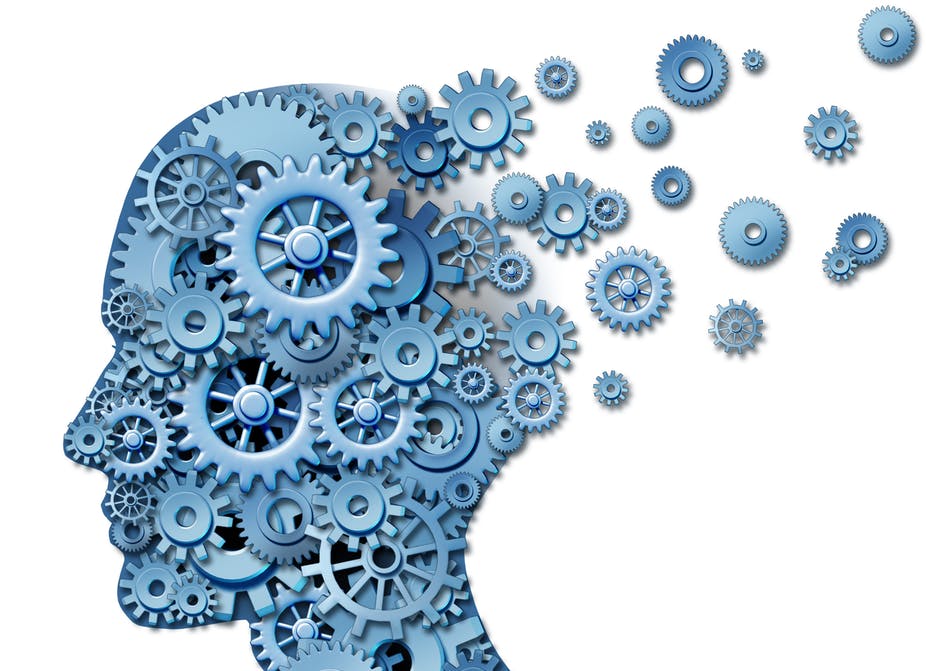
“Mental health is defined as a state of well-being in which every individual realises their own potential, can cope with the normal stresses of life, can work productively, and enables sound decision making and informed choices” states The World Health Organisation.
Paying attention to our mental health
What mental health means
Myths about mental health
Links between mental and physical health
Resilience and why it matters
Paying attention to our mental health
Your mental health, and how you experience this, is individual to you.
Looking after and paying attention to your mental health, as you do your physical health, is key to your well-being and your ability to be the best you can be.
We often pay little or no attention to it until we experience change of some kind.
This is often due to external factors; people, situations, either a one-off or over a period of time. For example:
 |
THERE’S A CRISIS ON THE YARDThe vet’s coming. The farrier’s arrived for routine shoeing. Owners are arriving to watch their horses being worked but one groom’s off sick and the other’s still mucking out, and your mobile battery has just died. Some employers might feel overwhelmed, frustrated, unable to cope, or even in a state of panic - negatively affecting well-being. Equally, others may be motivated, energised even, switching seamlessly into ‘crisis management’ mode, overcoming the situation, demonstrating resilience, and realising their capabilities – positively boosting well-being. |
 |
Thinking about the businessPlans, ideas and initiatives for running a ‘smart’ yard to keep costs down might mean some employers feel overwhelmed, worried, confused or anxious etc – negatively affecting well-being. Equally, others may find this positively challenging, motivating even exciting about determining what’s possible and the potential cost effectiveness, impact and success of the business – positively boosting well-being. |
 |
Thinking about something elseHaving ‘something on our mind’, particularly over a period of time, can affect our mental health and thus our well-being too. For example, a poorly loved one, a personal matter or feeling swamped by numerous and varying employment matters when all you want to do is run your yard. |
WHAT MENTAL HEALTH MEANS
It’s about your emotional, psychological, physiological, and social well-being. It helps determine how you handle stress, relate to others, and make choices. It impacts:
- How you function on a daily basis; how you think, feel, behave and act.
- Your performance and ability to do your job, run your yard, ride your horses, and your problem-solving skills.
- Your confidence, resilience - your bounce back-ability.
- Your potential to be the best you can be.
- Your ability to learn…. from your mistakes, experiences and cope with and manage change and uncertainty.
It affects how you communicate, your ability to form and maintain relationships with others and, therefore, impacts on those around you; your grooms, riders, owners, suppliers, and the horses.
WHAT IT DOESN'T MEAN
Mental ill health or illness.
Many consciously, sub-consciously or unconsciously think of mental health issues, problems or illnesses when mental health is mentioned.
This connection, association, is something that’s changing.
DE-BUNKING MYTHS ABOUT MENTAL HEALTH
MENTAL HEALTH ONLY AFFECTS A FEW PEOPLE
Wrong. We all have physical health, we all have mental health, so how can it only affect a few people?! 1 in 4 people will experience some kind of mental health ‘issue’ or ‘problem’ in any given year.
Yet, this figure is somewhat misleading. It implies that there is a distinct group of people who are affected by mental illness/ill-health.
However, mental illness can hugely impact on the friends and family of the person affected. We all have mental health that needs care and attention.
This should then be: mental health affects us all.
YOU WILL NEVER GET BETTER OR IMPROVE IF YOU HAVE MENTAL ILLNESS
Incorrect. The Mental Health Foundation cites 70% people make a full recovery. Recovery doesn’t always mean being free of all symptoms, though.
Many people living with long-term conditions are able to manage them and live full and satisfying lives.
PEOPLE WITH MENTAL HEALTH CONDITIONS CANNOT WORK
Yes, they can. Full-time work might be unrealistic for some people with severe and enduring conditions.
Appropriate workplace adjustments and long-term medication can enable these people to work, whether part or full time.
For the vast majority of people with a mental health condition, work is not only possible but beneficial. Work can be central to staying well and can play an important role in ensuring people feel connected to other people, are valued by society and have a purpose.
Working with horses is renowned for being particularly beneficial and indeed, therapeutic.
PEOPLE WITH A MENTAL ILLNESS CAN JUST ‘SNAP OUT OF IT’
If only it was that easy! A mental health condition is no different from a physical condition. It needs treatment just the same. ‘Snap out of it, pull yourself together, just get on with it’ – the list of clichés is endless.
People often say these however, when they don’t know what else to say, or lack mental health/ill-health knowledge or information.
Yet, such clichés can further hurt those that are suffering, coming across as dismissive and/or indicating they’re not being heard, listened to, believed.
Telling someone with a mental health condition to ‘snap out of it’ is like telling someone with a broken leg to ‘just walk it off!’.
TAKING MEDICATION IS RUNNING AWAY FROM YOUR PROBLEMS
Taking medication for a mental health condition is no more ‘running away from your problems’ than taking painkillers for migraines, insulin for diabetes or medication for irritable bowel.
For many people, prescribed medication is a necessary and even life-saving eg. for heart disease.
Far from ‘giving up’ and ‘running away’, medication represents a step towards dealing with the issue. For some conditions, medication often creates space for talking therapy to work.
LINKS BETWEEN MENTAL AND PHYSICAL HEALTH
Much like horses, if one is, or becomes, an ‘anxious’ horse, ulcers and other physical conditions are often present, and we see behaviour changes.
Similarly, a symptom of grass sickness can be distress, depression.
Long term box rest can impact a horse’s mental well-being, their temperament and needs careful management.
Like horses, everyone is different; has their own unique set of indicators, known as our non-verbal communications, our ‘personal clues and cues’.
MENTAL HEALTH IMPACTING ON PHYSICAL HEALTH
It’s important to note that poor mental health is not ‘just in the mind’.
These are some of the symptoms linked to mental health issues, not indicators of a mental health issues on their own.
Each person will react differently, and may experience very different symptoms, and some may occur without our knowing.
|
Mental health conditions can affect physical health, with mental illness associated with a range of very real, physical symptoms such as: |
PHYSICAL HEALTH IMPACTING ON MENTAL HEALTH
It’s often far easier to deal with a physical injury, disability or illness. For example, you tear shoulder ligaments in a nasty fall.
This means you need to arrange full or part time cover depending on what you can/cannot do.
Being unable to work as usual, potentially worrying about how the yard will run without you, your horses’ work and how they might be with a different rider, could affect your well-being.
 |
However, some physical conditions or long-term injuries can take a huge toll on our mental health, especially when we’re trying to continue working as usual, and managing the illness or injury. |
Depending on your incapacity, feelings such as isolated, frustration, distressed, overwhelmed, helpless may creep in and, unaddressed, affect our mental health.
Medication for a physical illness can sometimes affect mental health and/or mood too. Careful medication management is needed.
That’s why it’s important when we have a physical health condition or injury, we take mental health into consideration when thinking about what’s the best course of action to take, including whether some extra support is needed, and accepting offers of support.
RESILIENCE, AND WHY IT MATTERS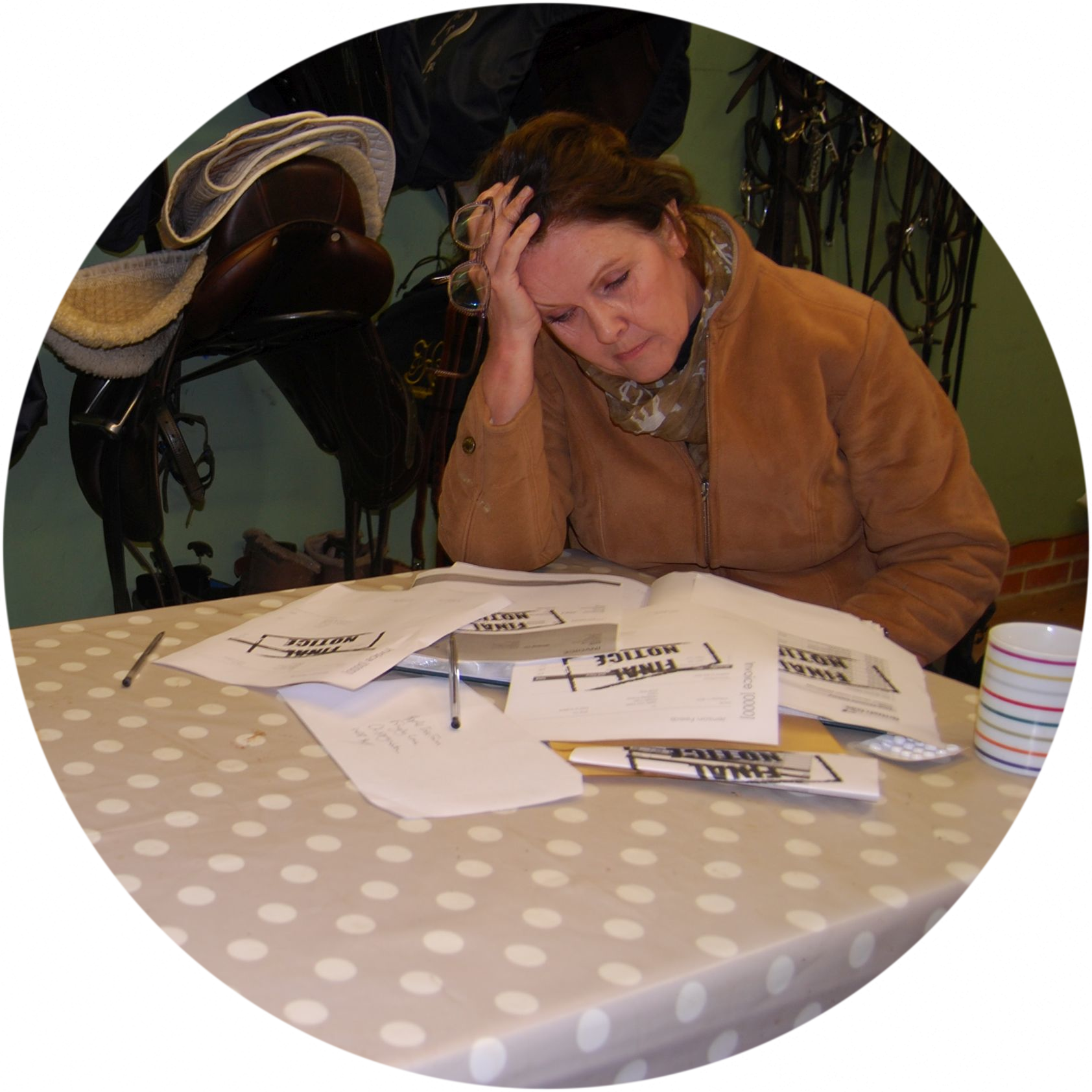
It’s your capacity and ability to recover, to withstand, to bounce-back from disappointments, difficulties, challenges, adversity and setbacks.
It’s a skill you can learn, develop and grow to manage everyday living. Simply put, it’s ‘R’ words, which speak for themselves:
Rest, recuperate, re-energise, resolve, restore, recover, refresh, renew, re-group, reinvigorate, repair, relax, respite, retreat, re-establish, revive, rejuvenate, recharge, revitalise, reframe, resolute.
It matters because there’s links between resilience and our ‘state’ [of mind] and our mood, attitude and our ability to manage/perform - personally and professionally. So, it:
- facilitates self-accountability. You’re in charge of your behaviour, thoughts, reactions, and emotions.
- enhances your ability to make things happen rather than them happening to you.
- enables you to stay on top of things, manage them as they occur, meaning you’re less stressed, anxious, apprehensive, helping to improve/gain confidence and professionalism.





What the personal accident policy covers you for:
- Whilst at work
- All stable duties – mucking out, grooming, washing off, turning out
- Clipping
- Riding – including hacking and jumping
- Hunting
- Lunging
- Breaking in
- Holding horse for a vet and other procedures
- Travelling horses both in the UK and abroad
- Competing in line with your job including: jumping, dressage, eventing
- Injuries that may happen to you whilst you are teaching - but you must also be grooming as part of your duties and not be a sole instructor
What the personal accident policy doesn’t cover you for:
- Riding in a race, point to point or team chase
- Stunt Riding
- Accidents occurring whilst travelling to and from work
- Riding and competing your own horse (but you can upgrade when applying for membership to include this)
- Public Liability – this is a separate insurance policy - the Freelance Groom Liability Insurance
- Care Custody and Control – this is a separate policy - the Freelance Groom Liability Insurance
If you require_once additional cover then please contact KBIS directly.
| GROOM | RIDER | EMPLOYER | |
|
When you are working for other people you do most of the following; muck out, turn out/catch in, tack up, groom horses, exercise Horses (including hacking, jumping and schooling), in the care of your employer/client. |
|
|
|
| Predominantly ride horses for other people including schooling, exercising and competing. | NO |
YES |
YES |
| Provide grooming services for someone else either full time or on a freelance basis i.e. an employer or a client. | YES |
NO |
NO |
| Employ staff – have an employers liability policy in your name | NO | NO | YES |
| Buy and sell horses | NO | YES | YES |

The BGA is the national representative body for all
grooms working in the UK or British grooms abroad.
MEMBERS OF:



Your item has been added to the basket
You need to create an account, or login before you can add this item to your basket.